

Chemical additives known as "heat stabilisers" are used in many different industries to prevent or slow the deterioration of materials and products when they are heated, such as during processing or use. These stabilisers aid in keeping the materials' chemical, mechanical, and physical properties consistent over time and at high temperatures, ensuring the materials' continued usefulness. Heat stabilisers are commonly used in the production of plastics to prevent thermal degradation both during processing (including extrusion and injection moulding) and when the finished plastic product is subjected to high temperatures throughout its lifetime. Popular plastic heat stabilisers include organotin compounds, metal soaps, organophosphites, and hindered phenols. To prevent breakdown from occurring when subjected to high temperatures during processing, vulcanization, and use, heat stabilisers are incorporated into the rubber manufacturing process. Metal oxides, phenolic antioxidants, and amine-based stabilisers are only some of the many types of heat stabilisers used in rubber compositions.
The breakdown of global supply networks brought on by the pandemic had an effect on the availability of both raw materials and final products. This may have influenced the production and distribution of heat stabilisers, leading to price shifts and delivery delays. The pandemic caused fluctuations in the demand for heat stabilisers across a variety of industries, including consumer goods, construction, and transportation. For instance, the demand for heat stabilisers used in automotive applications was impacted by the automobile industry's production and sales downturn. The global economic crisis caused by COVID-19 may have affected consumer spending and investment across a variety of sectors. This economic uncertainty may have influenced consumer decisions and business investments related to heat stabiliser applications.
Heat stabilisers are frequently used in the production of plastics and polymers to prevent thermal degradation during processing and application. The growth of the plastics industry, especially in the packaging, automotive, and construction sectors, was expected to increase the demand for heat stabilisers. The construction industry is a significant consumer of heat stabilisers because of their widespread use in adhesives, sealants, and coatings. The increasing number of projects to improve infrastructure in developing countries contributed to the growth of the industry. In the automotive industry, heat stabilisers are commonly employed in PVC and rubber-based components. As the automobile industry increased, so did the necessity for heat stabilisers in this setting.
The increasing need for eco-friendly and bio-based alternatives poses a challenge for traditional heat stabilisers. Stabiliser producers are under increasing pressure to develop products that both reduce carbon emissions and can be broken down naturally and used to generate renewable power. The price of the raw materials used to produce heat stabilisers could fluctuate significantly due to supply-demand imbalances, geopolitical concerns, or natural disasters. A company's profitability and pricing strategies in the heat stabilisers market may be affected by fluctuations in the cost of raw materials. As innovation continues to advance, consumers are increasingly demanding heat stabilisers with improved performance characteristics. Manufacturers must invest in R&D in order to remain competitive and meet customer expectations.
The global market for heat stabilisers is broken down into the categories of Organotin, Metal Soaps, and Others. The market for metal soaps is expected to grow at a faster rate than any other type of soap throughout the next several years. Metal soaps are used extensively in the production of polyvinyl chloride (PVC) and other thermoplastic resins, which find use in numerous fields. The ever-growing plastics sector has been good for the metal soaps market. Because of their lower cost compared to competing heat stabilisers, metal soaps are a popular choice among manufacturers. The need for heat-stabilized products is growing in many different end-use industries, including construction materials, vehicle parts, and electrical lines and cables. The heat stability of these applications would be impossible without metal soaps.
Report Coverage
Global Heat Stabilizers research report categorizes the market for global based on various segments and regions, forecasts revenue growth, and analyzes trends in each submarket. Global Heat Stabilizers report analyses the key growth drivers, opportunities, and challenges influencing the global market. Recent market developments and Heat Stabilizers competitive strategies such as expansion, product launch and development, partnership, merger, and acquisition have been included to draw the competitive landscape in the market. The report strategically identifies and profiles the key Heat Stabilizers market players and analyses their core competencies in each global market sub-segments.
| REPORT ATTRIBUTES | DETAILS |
|---|---|
| Study Period | 2017-2030 |
| Base Year | 2022 |
| Forecast Period | 2022-2030 |
| Historical Period | 2017-2021 |
| Unit | Value (USD Billion) |
| Key Companies Profiled | Chemson, BASF SE, Songwon, BRUNO BOCK, Galata Chemicals, Clariant, Kisuma Chemicals, Pau Tai Industrial Corp., Ika Innovative Kunststoffaufbereitung GmbH & Co. Kg, Asúa Products, S.A., REAGENS SPA, Vikas Ecotech Ltd., Valtris Specialty Chemicals, Jindal Electric & Machinery Corporation, PMC Group, Inc., Baerlocher GmbH, ADEKA CORPORATION, GOLDSTAB ORGANICS PVT LTD, Am Stabilizers Corporation, Nishan Multitrade, MODERN CHEMICALS AND PLASTICS, Amfine Chemical Corporation and other key venders |
| Segments Covered | • By Product |
| Customization Scope | Free report customization (equivalent to up to 3 analyst working days) with purchase. Addition or alteration to country, regional & segment scope |
Key Points Covered in the Report
- Market Revenue of Heat Stabilizers Market from 2021 to 2030.
- Market Forecast for Heat Stabilizers Market from 2021 to 2030.
- Regional Market Share and Revenue from 2021 to 2030.
- Country Market share within region from 2021 to 2030.
- Key Type and Application Revenue and forecast.
- Company Market Share Analysis, Heat Stabilizers competitive scenario, ranking, and detailed company
profiles. - Market driver, restraints, and detailed COVID-19 impact on Heat Stabilizers
Market
Competitive Environment:
The research provides an accurate study of the major organisations and companies operating in the global Heat Stabilizers market, along with a comparative evaluation based on their product portfolios, corporate summaries, geographic reach, business plans, Heat Stabilizers market shares in specific segments, and SWOT analyses. A detailed analysis of the firms' recent news and developments, such as product development, inventions, joint ventures, partnerships, mergers and acquisitions, strategic alliances, and other activities, is also included in the study. This makes it possible to assess the level of market competition as a whole.
List of Major Market Participants
Chemson, BASF SE, Songwon, BRUNO BOCK, Galata Chemicals, Clariant, Kisuma Chemicals, Pau Tai Industrial Corp., Ika Innovative Kunststoffaufbereitung GmbH & Co. Kg, Asúa Products, S.A., REAGENS SPA, Vikas Ecotech Ltd., Valtris Specialty Chemicals, Jindal Electric & Machinery Corporation, PMC Group, Inc., Baerlocher GmbH, ADEKA CORPORATION, GOLDSTAB ORGANICS PVT LTD, Am Stabilizers Corporation, Nishan Multitrade, MODERN CHEMICALS AND PLASTICS, Amfine Chemical Corporation and other key venders
Primary Target Market
- Market Players of Heat Stabilizers
- Investors
- End-users
- Government Authorities
- Consulting And Research Firm
- Venture capitalists
- Third-party knowledge providers
- Value-Added Resellers (VARs)
Market Segment:
This study forecasts global, regional, and country revenue from 2019 to 2030. INFINITIVE DATA EXPERT has segmented the global Heat Stabilizers market based on the below-mentioned segments:
Global Heat Stabilizers Market, By Product
Organotin
Metal Soaps
Others
Global Heat Stabilizers market, By Application
Coatings & Floorings
Pipes & Fittings
Wires and cables
Profile and tubing
Others
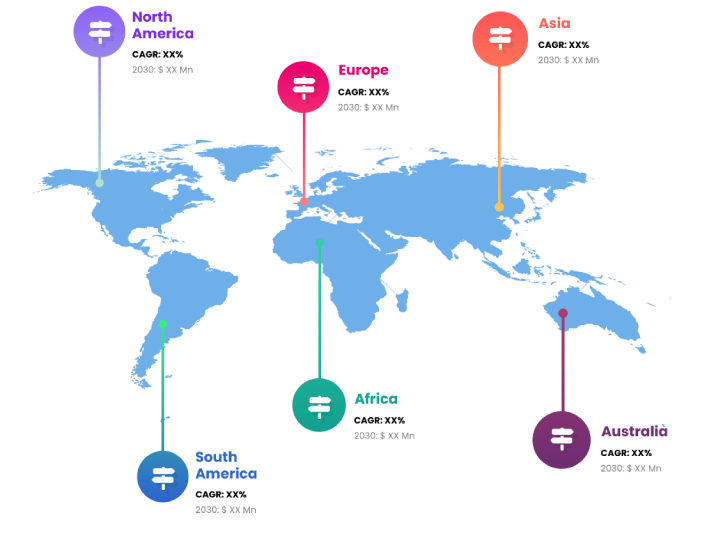
Global Heat Stabilizers market, Regional Analysis
- Europe: Germany, Uk, France, Italy, Spain, Russia, Rest of Europe
- The Asia Pacific: China,Japan,India,South Korea,Australia,Rest of Asia Pacific
- South America: Brazil, Argentina, Rest of South America
- Middle East & Africa: UAE, Saudi Arabia, Qatar, South Africa, Rest of Middle East & Africa
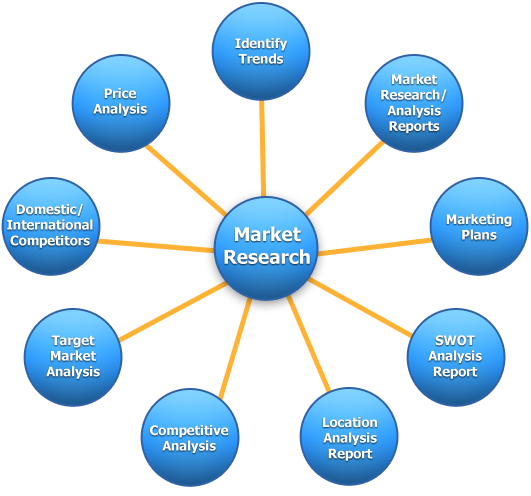
You will get in-depth and extensive heat stabilizers market market research and competitor analysis for your business to help you develop more profound insights into the heat stabilizers market Market.
Through INFINITIVE Data Expert is a professional Market Research services, I will identify the heat stabilizers market market size, demand & opportunities, growth rate, and target audience with a comprehensive analysis of your competitors.